REBRANDING: WHEN AND WHY IT ACTUALLY WORKS
A rebrand isn't a redesign for its own sake — done right, it's a strategic response to a business that has outgrown its own image. Here's how to tell when it's actually the right move.
Author
READ
Category
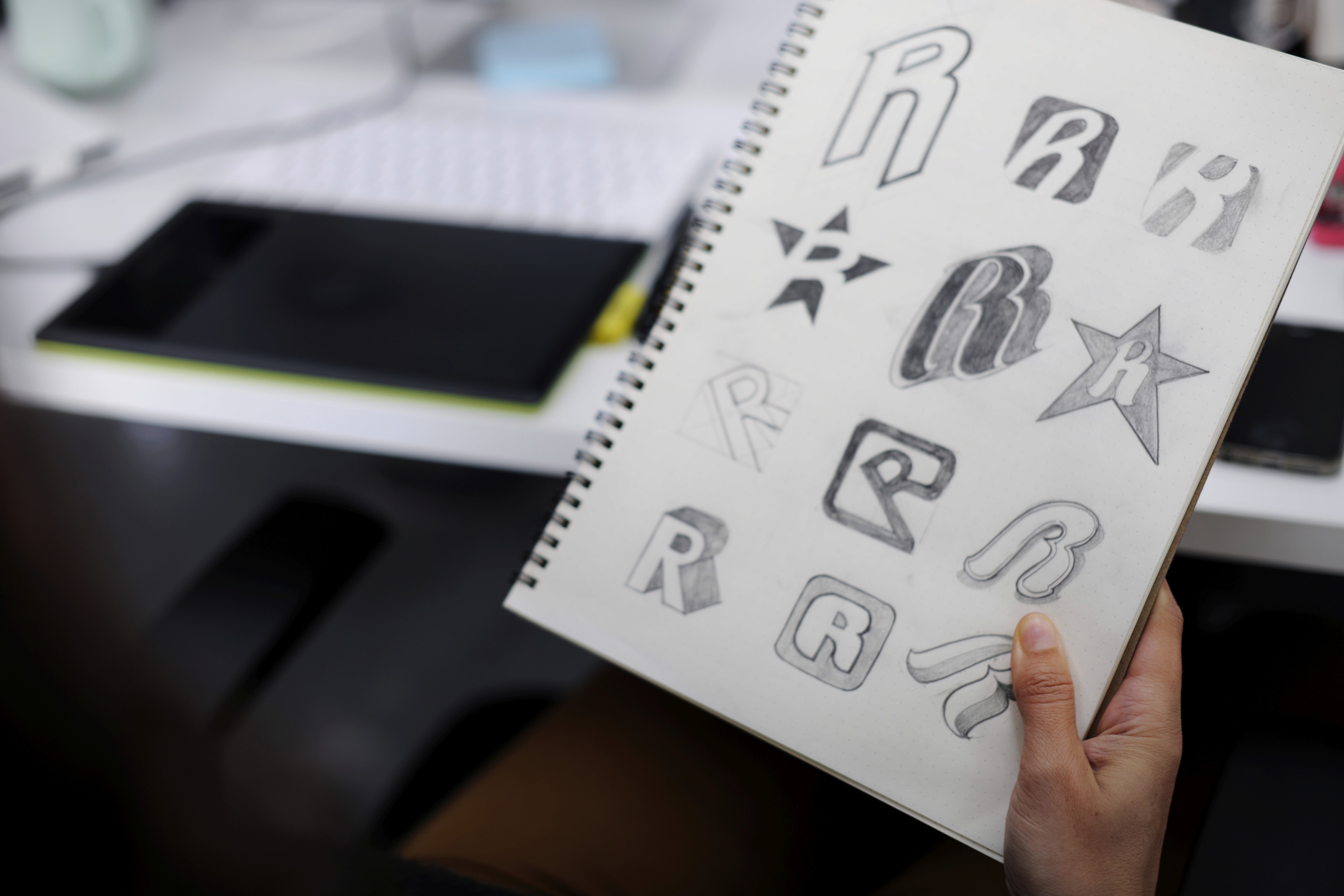
Most businesses don't rebrand because they're bored of their logo — they rebrand because the identity no longer matches reality. A company that started as a scrappy side project now serving enterprise clients. A product that's expanded far beyond what its original name implied. A visual identity that was thrown together quickly in the early days and was never built to scale.
The clearest signal is usually a mismatch: when the way a brand looks and the way it actually operates start telling two different stories. Customers notice this gap even if they can't articulate it — it shows up as hesitation, as "are these guys legit," as being passed over for a competitor who simply looks more credible.


The biggest misconception about rebranding is that it means starting over. In most successful cases, it's the opposite — a rebrand preserves what's already working (loyal customers, brand recognition, existing equity) while fixing what's actively holding the business back. Throwing away everything and starting from a blank page is usually a sign the strategy wasn't thought through, not a sign of boldness.
This is why a rebrand should start with an audit, not a mood board. What's actually broken — the logo, the messaging, the color system, all of it? Or is it just one piece that no longer fits? Understanding the actual problem prevents an expensive redesign that changes everything except the thing that was actually wrong.

Rebranding isn't free, and it isn't risk-free either. Existing customers have built recognition and trust around the current identity — changing it too aggressively can genuinely cost a business its most loyal audience, especially if the change isn't communicated well. A rebrand driven by internal boredom rather than an external business problem is usually the wrong call.
The businesses that get the most value from rebranding are the ones that treat it as a milestone tied to something real — a merger, a pivot, an expansion into a new market, a brand that's simply been outpaced by its own growth. When the reason is clear, the rebrand tends to land. When it isn't, it's often just an expensive way to feel like something changed.


